
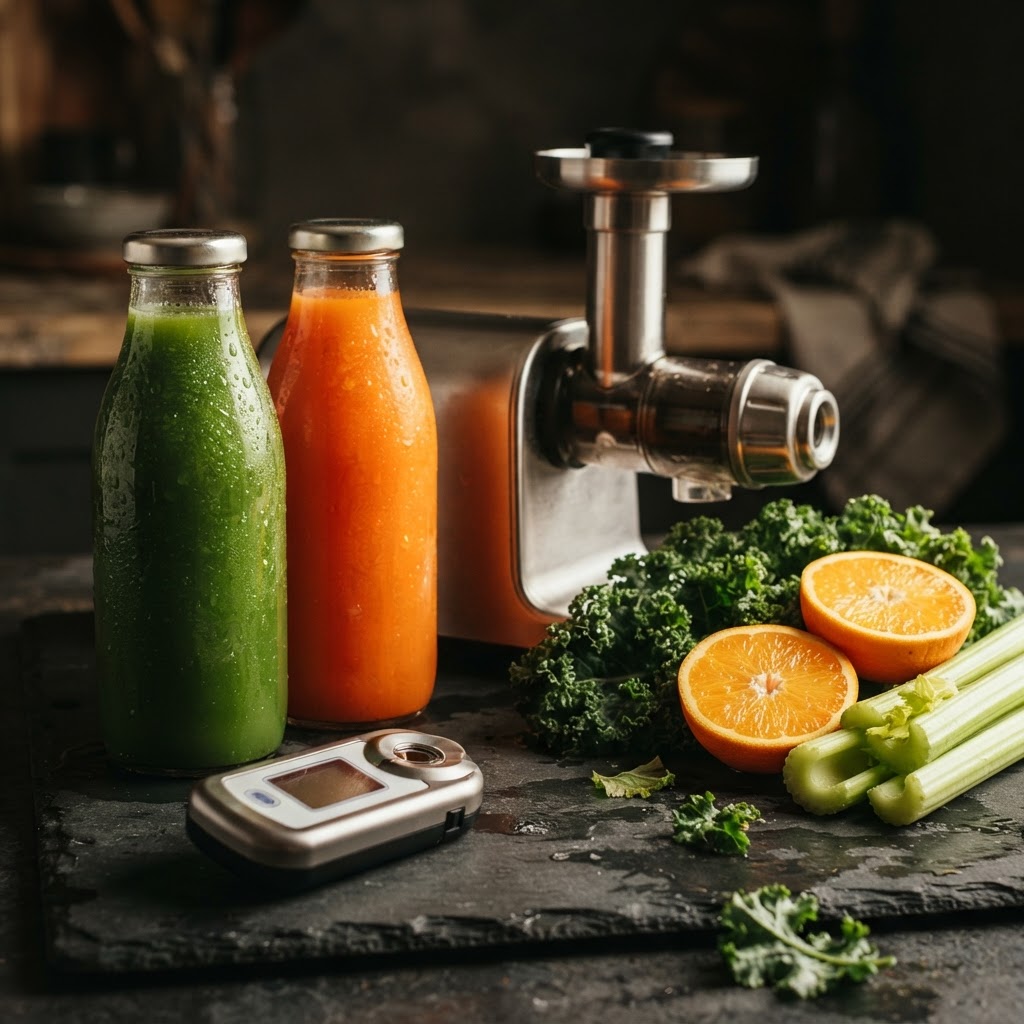
Retail only, or wholesale?
A juice bar or shop that makes juice and sells it directly to consumers is generally exempt from the federal Juice HACCP regulation (21 CFR Part 120). Packaged juice from a retail operation that has not been treated to achieve a 5-log pathogen reduction must carry FDA’s warning statement on the label.
Once you sell or distribute juice to other businesses — cafés, grocery stores, gyms, distributors or online retailers — you are a juice processor. The Juice HACCP regulation then applies to all the juice you make.
What Juice HACCP requires
- A written hazard analysis for each type of juice
- A HACCP plan with critical control points, critical limits, monitoring, corrective actions and verification
- Treatment that achieves at least a 5-log (100,000-fold) reduction of the pertinent pathogen — for non-citrus juice, applied to the juice itself
- Sanitation controls and records
- A person trained in Juice HACCP to develop and review the plan
Does cold pressing count as the 5-log step?
No. Cold pressing and refrigeration alone do not achieve a validated 5-log reduction. Wholesale cold-pressed producers commonly use high-pressure processing (HPP) or another validated treatment. If HPP is done by an outside toll processor, your plan must account for how product moves to and from that facility.
Illinois permitting
In Illinois, wholesale food processors — including juice processors — apply to the Illinois Department of Public Health (IDPH) Manufactured Food Program. IDPH asks for at least 45 days’ notice, a floor plan and product labels, and inspects before permitting. Since 2026, IDPH issues annual permits with fees. Chicago retail juice bars are licensed and inspected by CDPH instead.
What does it cost?
Safe Plate Juice HACCP support starts at $4,850 for one product family and one process, delivered remotely. It includes the hazard analysis, HACCP plan with 5-log treatment documentation, sanitation SOPs, monitoring and corrective-action records, a video process walkthrough, virtual food safety team training (with materials for the team to train hourly employees and a review of their signed training records) and a 30-day check. An on-site visit can be added from $450. Laboratory validation, HPP toll processing and agency fees are separate.
This guide is general information, not legal advice. Requirements depend on your products and process; the regulatory agency makes the final determination.